
CARPAL TUNNEL SYNDROME
Dr. Cohen has extensive experience with individuals affected by carpal tunnel syndrome.
-
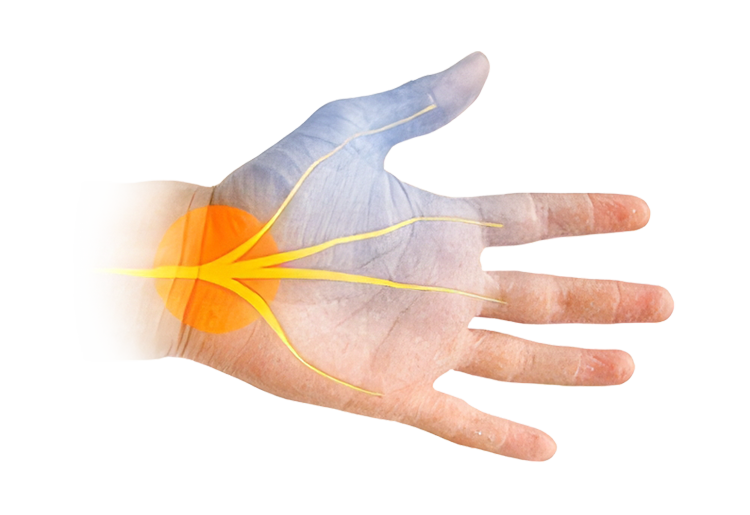
Carpal tunnel syndrome is one of the most common nerve conditions of the hand. It develops when the median nerve is compressed as it passes through the carpal tunnel, a narrow passageway on the palm side of the wrist. This nerve controls sensation primarily, so when it is compressed, the hand and fingers are affected. With an accurate diagnosis, it is a highly treatable condition.
The cause is not always identifiable, but contributing factors can include repetitive or forceful hand use, wrist anatomy, prior injury, and certain medical conditions such as diabetes, thyroid disease, and pregnancy-related swelling. In many cases, more than one factor is involved.
-
Carpal tunnel symptoms usually begin gradually and tend to worsen over time if the underlying compression isn't addressed.
The first symptoms are often tingling, numbness, or a "pins-and-needles" sensation in the thumb, index, middle, and part of the ring finger - the area supplied by the median nerve. Many people first notice these symptoms during sleep or upon waking, since wrist position at night can increase pressure on the nerve.
As the condition advances, tingling, numbness, and discomfort that radiates from the wrist into the hand or forearm can occur during the day as well as at night. Some patients develop weakness, a weaker pinch or grip, and a tendency to drop objects. In long-standing, untreated cases, the muscles at the base of the thumb (the thenar muscles) can begin to waste away.
If your symptoms persist - and especially if they disrupt your sleep or interfere with everyday activities - it's worth being evaluated. When carpal tunnel syndrome goes untreated, permanent nerve and muscle damage can occur, so earlier evaluation generally means more treatment options and better outcomes.
-
Because other conditions can mimic carpal tunnel syndrome, a careful and thorough diagnosis is essential before beginning treatment.
Diagnosis begins with a detailed physical examination of the hand and wrist, and in many cases can be made at your first office visit. When additional information is needed, tests such as electrodiagnostic studies (nerve conduction studies and EMG), x-rays, ultrasound, MRI, or laboratory work may be used to confirm the diagnosis, gauge its severity, and rule out other causes.
Treatment is tailored to the severity of the condition and how long symptoms have been present and includes both non-surgical and surgical options. Non-surgical care may involve medication, wrist splinting, hand therapy, ergonomic adjustments, and lifestyle changes. When these measures aren't enough, or when nerve compression is significant, surgery to relieve pressure on the median nerve may be recommended. Dr. Cohen is recognized for both his surgical skill and his judgment about when to begin with non-surgical treatment.
PATIENT STORIES
Real patients. Real stories. Hear their experiences.

AMY
Carpal Tunnel Syndrome
WATCH INTERVIEW ➤

THOMAS LANG
PROFESSIONAL DRUMMER
Carpal Tunnel Syndrome
WATCH INTERVIEW ➤
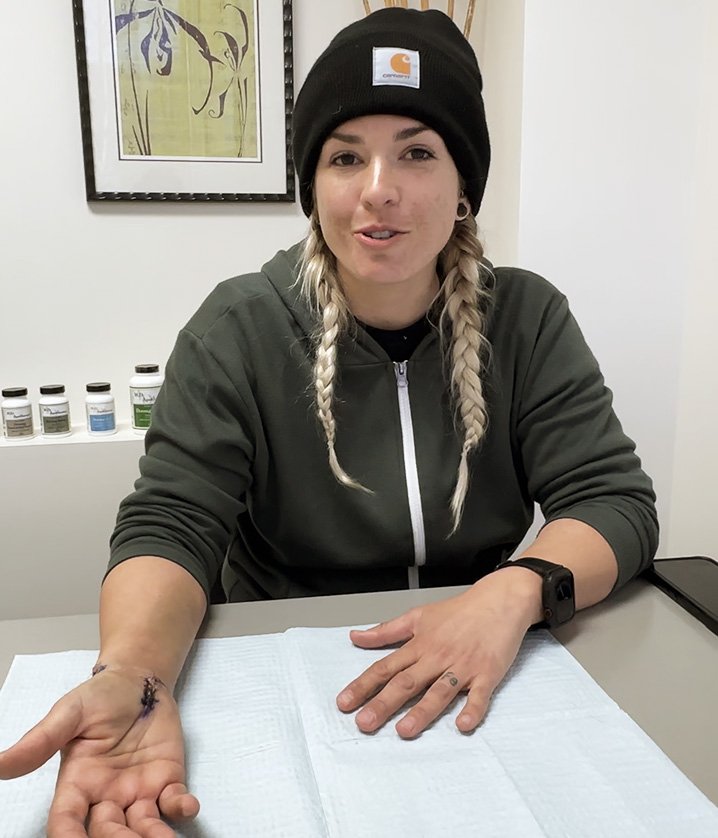
EMMA
Carpal Tunnel Syndrome / De Quervain's Tendonitis
WATCH INTERVIEW ➤
LET’S TALK
Our team is ready to deliver expert guidance and results. Let’s have a conversation about your injury or condition - and how we can help you heal.

