
METACARPAL FRACTURES (Broken Hand)
Dr. Cohen is well versed in non-operative and surgical care of metacarpal fractures.
-
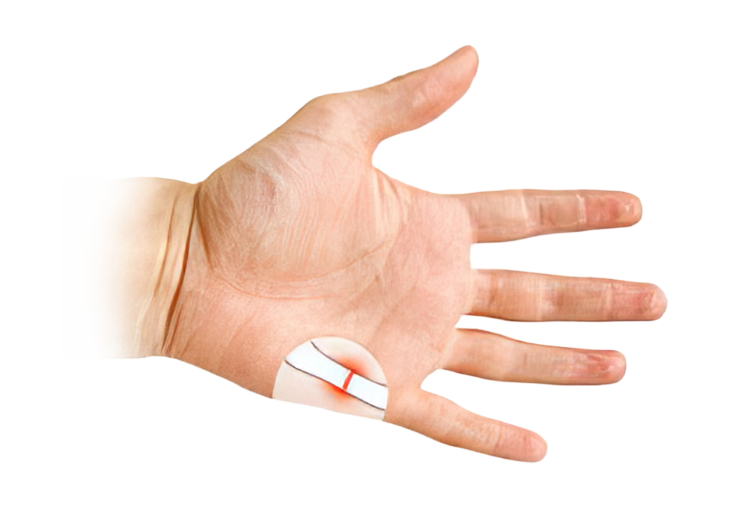
A metacarpal fracture is a break in one of the metacarpals - the five tubular bones that form the framework of the palm. Each metacarpal sits between the small carpal bones of the wrist and the phalanges of a finger or the thumb, so there is one metacarpal for every digit. Because these bones give the hand much of its structure, alignment, and grip strength, a fracture can change how the hand looks, moves, and works.
Most metacarpal fractures are caused by direct trauma to the hand. Common mechanisms include a fall onto the hand, a crushing injury, a sports impact, or striking a hard object with a closed fist. A break in the fifth metacarpal - the bone aligned with the small (pinky) finger - is so often caused by punching that it is widely known as a Boxer’s fracture, and it most commonly occurs at the neck of the bone, just below the knuckle.
Dr. Glenn D. Cohen is a hand, wrist, and elbow specialist who treats the full range of metacarpal fractures, from simple, stable breaks to displaced, rotated, and complex injuries. If you have injured your hand, contact our office to be evaluated by Dr. Cohen.
-
The most common signs of a metacarpal fracture are pain, tenderness, and swelling over the injured part of the hand. Depending on how severe the break is, bruising may appear as well. Many people also find that the hand is painful to use, that grip feels weak, or that the affected finger does not move normally.
With some fractures the knuckle may look flattened or sunken, and the finger may appear shortened, crooked, or rotated - sometimes overlapping the neighboring finger when you try to make a fist. These changes in alignment are one reason a metacarpal fracture should be evaluated rather than simply watched.
It is not possible to tell from the outside exactly where the bone is broken, or how badly, just by looking at the hand. Imaging is needed to confirm a fracture and guide treatment. If you suspect you have broken a bone in your hand, it is important to be seen by Dr. Cohen as soon as possible, because some fractures need to be realigned and breaks treated early are less likely to heal in a poor position.
-
Dr. Cohen begins with a thorough physical examination of the hand and, in most cases, confirms the injury with X-rays. Imaging shows which metacarpal is broken, how many fractures are present, and whether the bone fragments have shifted out of position - the details that guide the right treatment.
The course of treatment for a broken metacarpal can vary greatly depending on several factors, including:
The location of the break along the bone
The number of fractures
Whether the fragments are displaced, angled, or rotated - that is, moved out of their normal alignment
Many metacarpal fractures are stable and well aligned, and these are usually treated without surgery - most often with a cast or splint that protects the hand while the bone heals, followed by exercises to restore motion and strength. More complicated breaks, such as those that are significantly displaced, angled, or rotated, may require surgery to realign the bone and hold it in place with pins, screws, or a plate.
Dr. Cohen is well known for his conservative approach and does not rush to surgery when non-surgical treatment will lead to the proper outcome. He recommends an operation only when it offers a clearly better result for the hand. If you have injured your hand, contact our office to be evaluated by Dr. Cohen.
PATIENT STORIES
Real patients. Real stories. Hear their experiences.
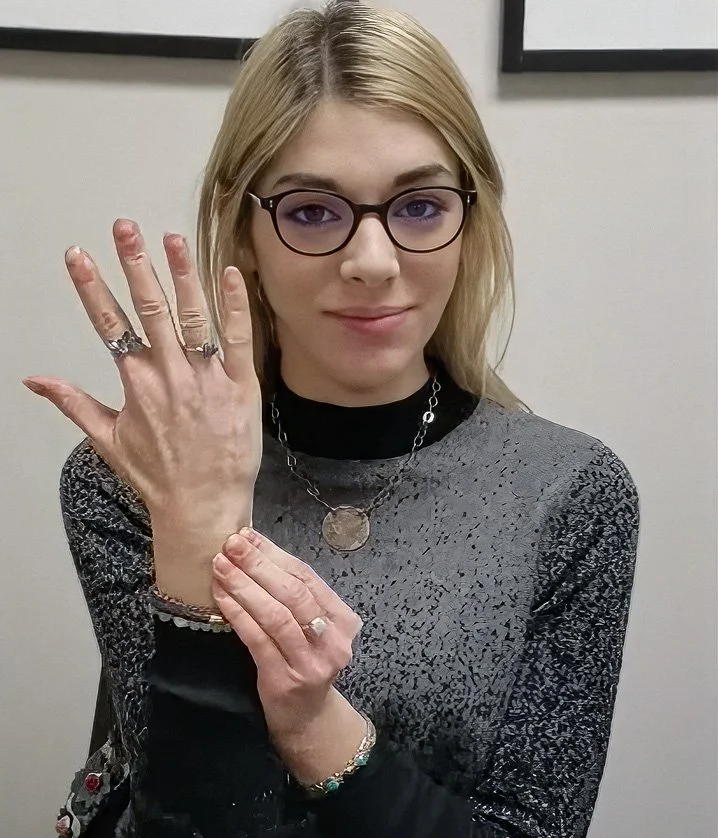
MIKALA
5th Metacarpal Fracture (boxer's fracture)
WATCH INTERVIEW ➤
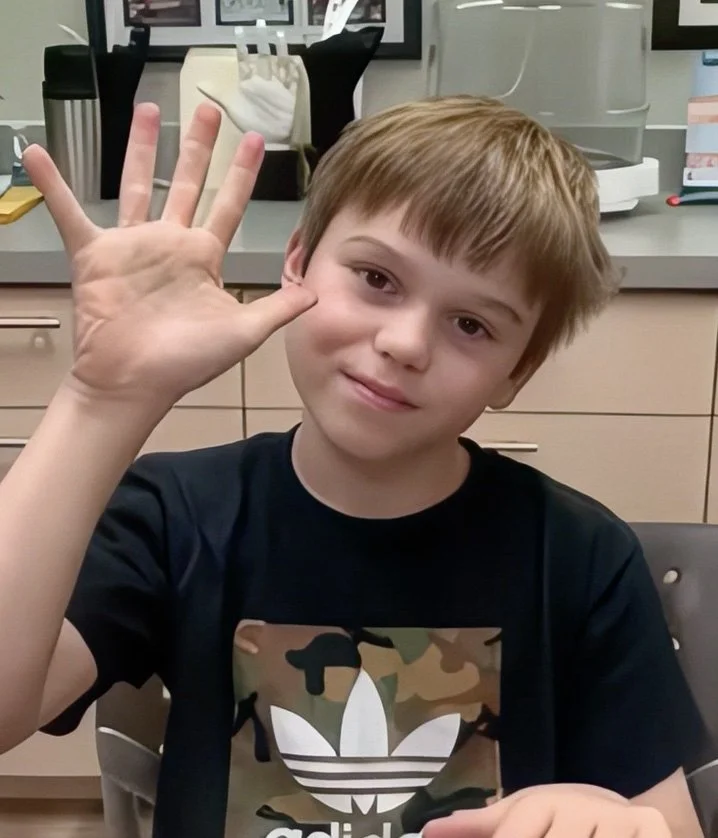
NIXON
5th Metacarpal Fracture (boxer's fracture)
WATCH INTERVIEW ➤

KATHLEEN
Thumb Metacarpal Fracture
WATCH INTERVIEW ➤
LET’S TALK
Our team is ready to deliver expert guidance and results. Let’s have a conversation about your injury or condition - and how we can help you heal.

