
WRIST FRACTURES
Dr. Cohen is well versed in the treatment of Wrist Fractures. If you sustain an injury to your wrist please contact us to be seen by Dr. Cohen. If you are told by another provider that there is nothing wrong with you, but you still have pain, please make an appointment for an examination.
-
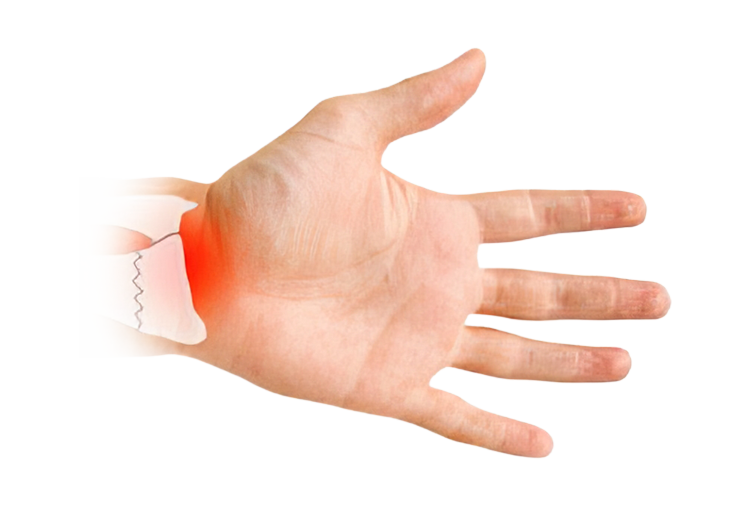
A wrist fracture is a break in one or more of the bones that form the wrist. The wrist is made up of the two forearm bones - the radius and the ulna - and eight small carpal bones. A break can occur in any of them, but the bone most frequently broken is the distal radius, the lower end of the radius nearest the wrist.
Scaphoid fractures, which break one of the small carpal bones, are a separate and also common type of wrist injury - see our SCAPHOID FRACTURES PAGE for more on that injury.
Most wrist fractures happen when someone falls onto an outstretched hand, but they can also result from a direct accident or a sports injury. Osteoporosis is an important risk factor: because it weakens bone, it can make the wrist more likely to break - sometimes from a relatively minor fall. Wrist fractures range from simple, stable cracks to displaced breaks that need to be realigned.
Dr. Glenn D. Cohen is a hand, wrist, and elbow specialist who treats the full range of wrist fractures - from simple, stable breaks to displaced, complex, and previously missed injuries. If you have injured your wrist, contact our office to be evaluated by Dr. Cohen.
Not every wrist fracture shows up on the first set of X-rays. Scaphoid fractures in particular are often invisible on early imaging and can be missed. If another provider told you that nothing is wrong but you still have wrist pain, swelling, tenderness, or limited motion, it is worth being re-examined. Fractures that are found and treated early are far less likely to cause lasting problems than those that go undetected.
-
A wrist fracture usually causes pain and swelling. Depending on how severe the break is, there may also be bruising, tenderness, and a visible deformity - the wrist can look bent or crooked.
It is not always possible to tell where the break is, or how badly the wrist is fractured, just by looking at it. And being able to move your wrist does not mean it isn't broken - many people with a fractured wrist can still move the hand and fingers. Pain after a wrist injury should be taken seriously even when the wrist looks normal and still moves.
If you have injured your wrist and have any pain, it is important to be seen by Dr. Cohen as soon as possible. Prompt evaluation confirms whether a bone is broken and allows the right treatment to begin early.
-
Dr. Cohen begins with a thorough physical examination, including X-rays, to confirm the fracture and understand its pattern. How a broken wrist is treated depends on several factors: where the break is located, how many fractures are present, and whether the bone is displaced - meaning the broken pieces have moved out of alignment.
Treatment options range from splinting and casting to surgery. Stable fractures that remain in good alignment can often be treated without surgery, while displaced or unstable breaks may need a procedure to realign and secure the bone so it heals properly.
Dr. Cohen is well known for his conservative approach. He does not rush to surgery when non-surgical methods will lead to the proper outcome, reserving surgery for fractures that truly need it to heal in good alignment. If you have injured your wrist, contact our office to be evaluated by Dr. Cohen.
PATIENT STORIES
Real patients. Real stories. Hear their experiences.

SUSAN
Wrist Fracture
WATCH INTERVIEW ➤

BENNY
Wrist Fracture
WATCH INTERVIEW ➤
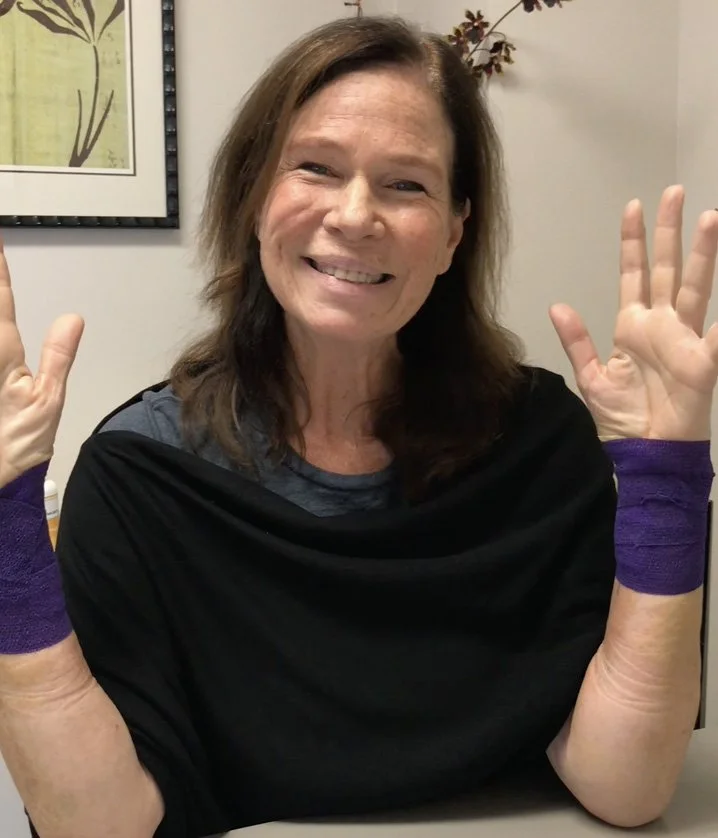
ELIZABETH
Wrist Fracture - Right and Left
WATCH INTERVIEW ➤
LET’S TALK
Our team is ready to deliver expert guidance and results. Let’s have a conversation about your injury or condition - and how we can help you heal.

